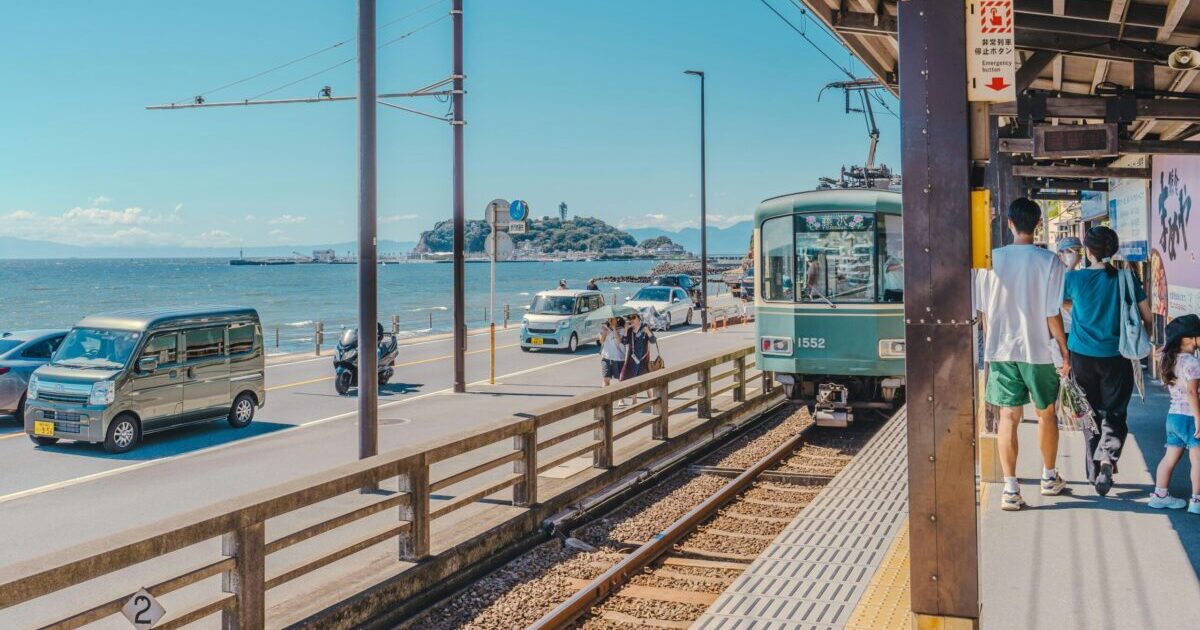
I have taken the train almost every day of my life. From cramped urban commuter lines to the smooth glide of the Shinkansen (Japanese bullet train) cutting through rice fields, Japan’s rail network is as much a part of daily life here as eating or sleeping.
For first-time visitors, the system can look overwhelming. The maps are dense, the signs multilingual, the fares complex. But underneath all of that, the train runs on a simple logic — and once you understand it, you’ll feel more at home in Japan than almost anywhere else.
The IC Card: The One Thing You Need Before Everything Else
Before you think about routes or schedules, get an IC card.
An IC card is a rechargeable smart card that works on virtually every train, subway, and bus in Japan. The two most common are Suica (スイカ, issued by JR East) and PASMO (パスモ, issued by Tokyo’s private railways). They are functionally identical for most purposes.
You can get one at any major station vending machine with a 500 yen deposit. Load money onto it, tap the card reader at the gate, tap again when you exit, and the correct fare is automatically deducted. You can also use Suica at most konbini, vending machines, and many restaurants. It’s the closest thing Japan has to a universal wallet for daily life.
For visitors who have an iPhone or Android, Mobile Suica allows you to use your phone instead of a physical card — setup takes five minutes at the station.


Reading the Signs and Buying Tickets
Most major stations have English signage. Station names are displayed in English on the line maps inside trains, on platform signage, and at ticket machines.
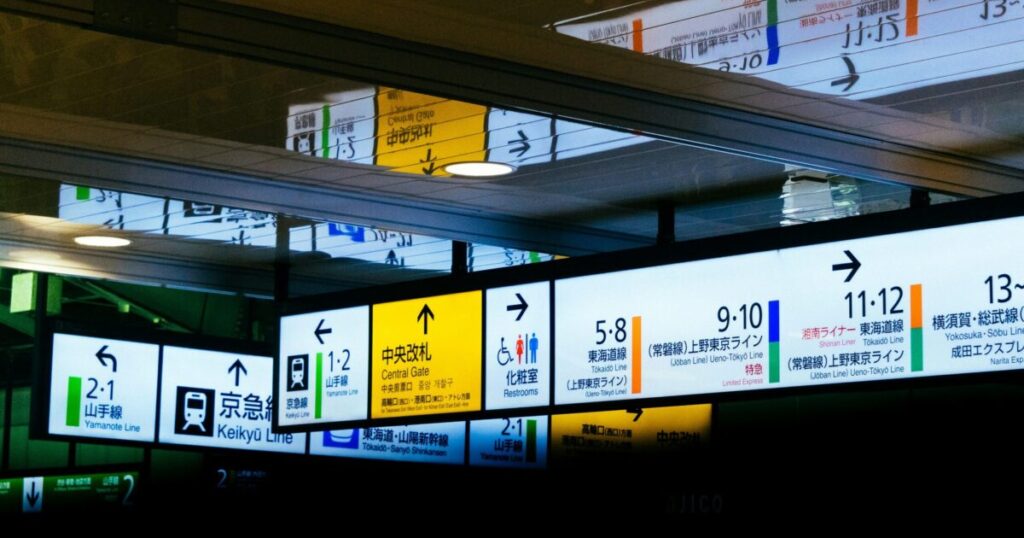
At ticket vending machines, select your destination (or press the English button), pay, and collect your ticket. If you can’t figure out the fare, buy the cheapest ticket, travel, and use the fare adjustment machine (精算機, Seisanki) at your destination to pay the difference — no penalty.
Better yet: just use your IC card and don’t think about fares at all.
For navigation, Google Maps is reliable for Japanese transit. Enter your destination, select the transit option, and it will show you which trains to take, where to transfer, and what time to leave.
Understanding the Types of Trains
Japan has many types of trains running on overlapping networks. The main ones to know:
JR (Japan Railways) — the national rail network. Includes the shinkansen (新幹線, bullet train) for long-distance travel, and local JR lines for city and regional travel. The JR Pass, if you’re traveling extensively, covers most of these.
Subway / Metro (地下鉄, Chikatsu) — underground lines run by city authorities or private companies. In major cities, subway networks run by city authorities or private companies cover most urban areas — each city has its own system, with overlapping lines and separate fares from JR. Fares are calculated by distance and are separate from JR fares.
Private Railways (私鉄, shitetsu) — regional lines run by companies like Tokyu, Odakyu, or Keio. Often faster for specific suburbs; sometimes cheaper than JR for the same route.
Within a line, trains usually run as local (各駅停車, stops at every station), rapid (快速, skips some stations), or express (急行 / 特急, skips many stations). Check the platform display before boarding — getting on an express when you want local is a classic mistake.
Unspoken Etiquette (That Mostly Everyone Follows)
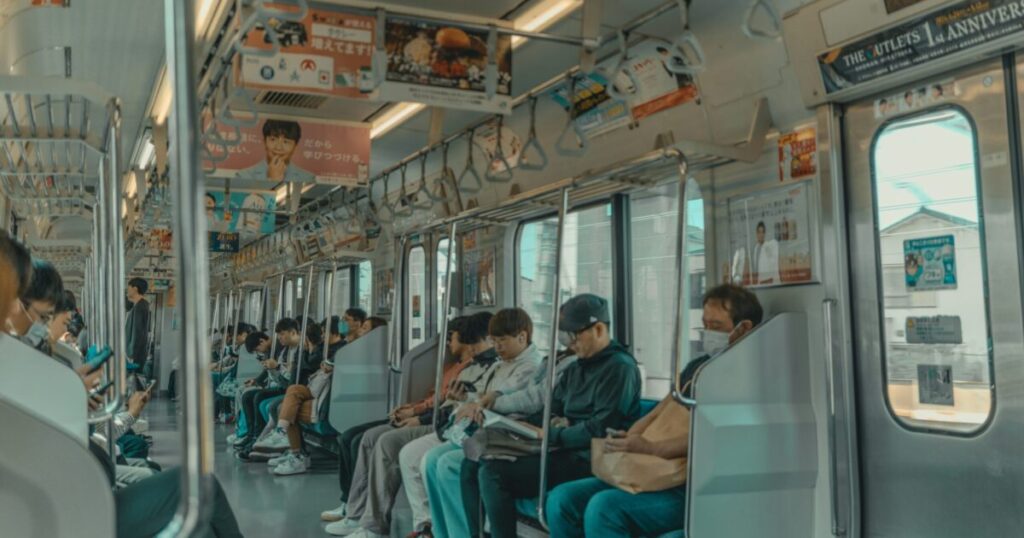
Japanese train culture runs on a shared understanding that takes locals years to absorb. For visitors, here’s what matters most:
- No phone calls — texting is fine; speaking on the phone is considered rude
- Keep your voice low — quiet carriages are not marked but most trains expect it
- Priority seats (優先席, yūsen seki) — the marked seats near the doors are for elderly, pregnant, or disabled passengers. Many Japanese people avoid them even when the carriage is full, as a kind of collective courtesy
- Bags on laps, not in the aisle — on seated carriages, keep bags on your lap or in the overhead rack
- Don’t eat — except on long-distance services and Shinkansen, eating on trains is uncommon and quietly frowned upon
- Stand on one side of the escalator — Tokyo convention is stand left, walk right; Osaka is the reverse
None of this is enforced. It just happens because everyone follows it.
Practical Tips
- Download the Japan Travel App or Jorudan for offline transit maps


- Keep your IC card in an easy-to-reach pocket — fumbling at the gate slows everyone down
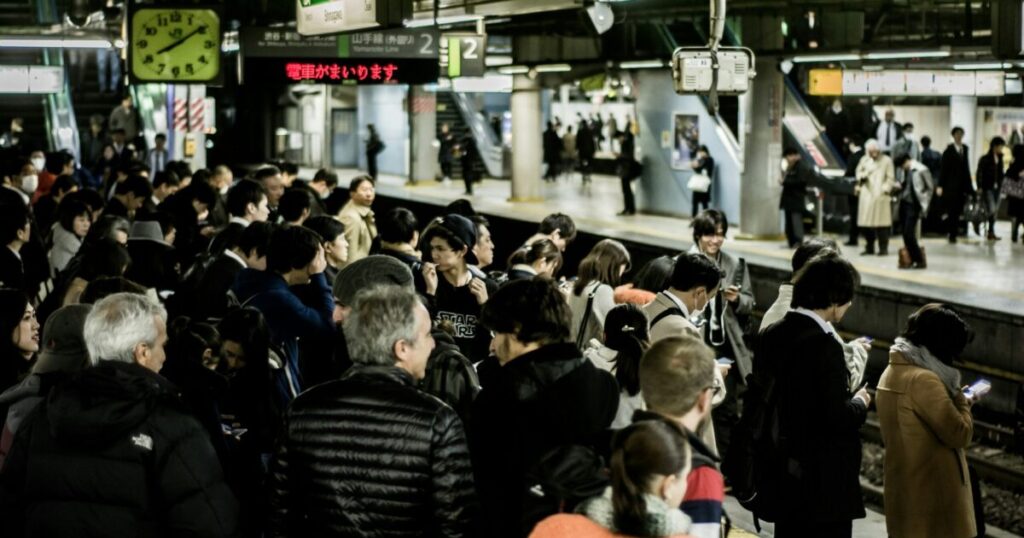
- If you can, avoid trains between 7:00–9:00 AM and 5:30–8:00 PM on weekdays. Rush hour on major urban lines is legitimately dense — the kind where station staff in white gloves push passengers into carriages so the doors can close. If you’ve only seen this in videos, it’s real.
- If you miss your stop, ride to the next station and take the return train — there’s no penalty
- The last train (終電, shūden) is typically around midnight — know the time if you’re out late
- Coin lockers (コインロッカー) at major stations let you store luggage while exploring
Japan’s trains are one of the best arguments for public infrastructure done well. Once you’ve used them, returning to car-based travel feels like a step backward.
For more on getting around Japan like a local, the Hokkaido travel series covers a different kind of journey — slower, wider, and shaped by the landscape more than the schedule.